
Crater floor game drive
A full day on the crater floor, usually starting at first light. Lion, buffalo, hyena, elephant and often black rhino.
A collapsed volcanic caldera twenty kilometres across, holding around 25,000 large animals inside its walls.
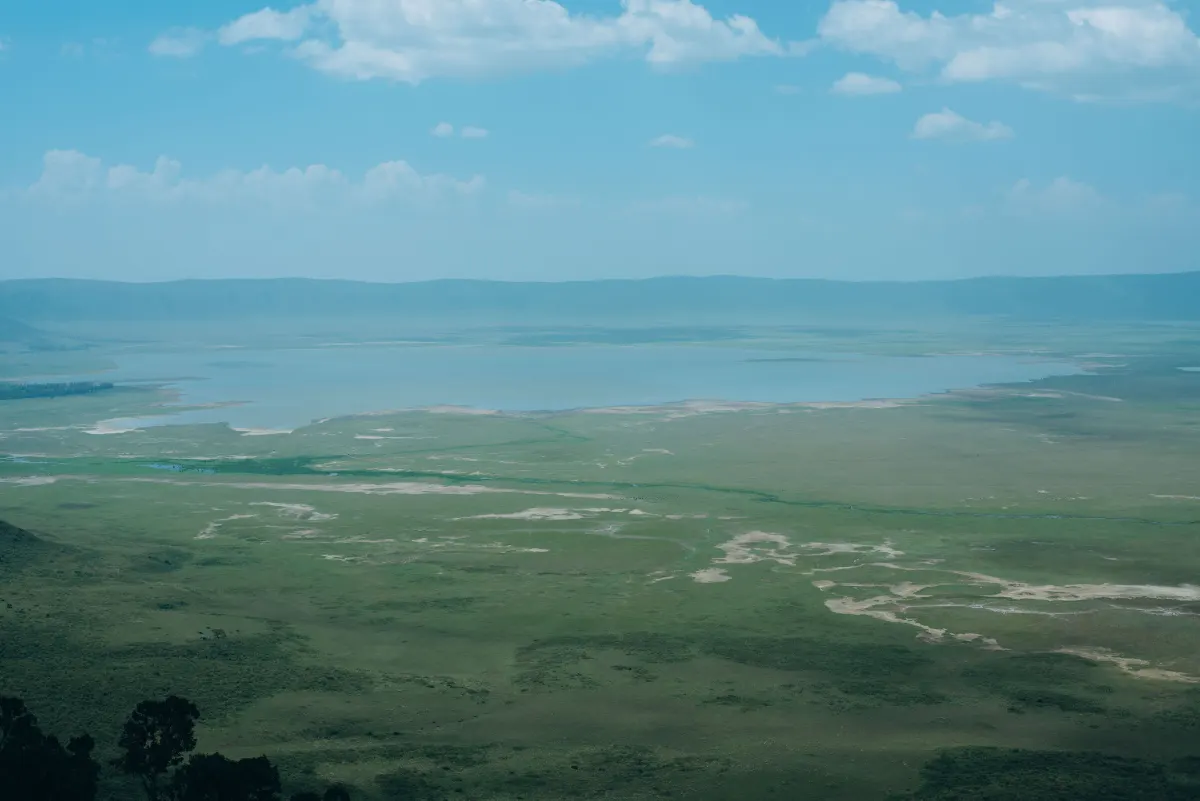
Ngorongoro is the largest intact volcanic caldera in the world — about 260 square kilometres of crater floor enclosed by walls 600 metres high. It is not a national park but a conservation area, which means Maasai families continue to graze cattle on the highlands alongside the wildlife.
Best months: Jun to Oct
What Ngorongoro Crater is known for.
The most reliable black rhino sighting in Tanzania
Around 25,000 large animals inside a single enclosed system
Big-tusked bull elephants that spend most of the year on the crater floor
Flamingo on Lake Magadi, and a view from the rim that people remember longer than the game drive
Tap a photo to see it larger.
The main things people come for.
A full day on the crater floor, usually starting at first light. Lion, buffalo, hyena, elephant and often black rhino.
Sunrise or late afternoon at the viewpoint, 600 metres above the floor, with the whole caldera laid out below.
The soda lake on the crater floor, often with flamingo along the edge.
Maasai families live and graze cattle in the highlands of the conservation area. A visit can be arranged with a community.
Sightings depend on the season and on luck. Your guide will tell you where to look.
The best months for Ngorongoro Crater, and what each season is like.
Good all year. The crater floor is at 1,700 metres and mornings are genuinely cold — bring a fleece. June to October is dry and dusty; the green season from November brings birds and calves.
About 3½ hours from Arusha
About 3 and a half hours from Arusha, through Mto wa Mbu and Karatu. The roads down to the crater floor are steep, so only 4x4 vehicles are allowed in.
The crater usually sits between the Serengeti and the drive back to Arusha, so it is rarely a separate trip.
Standard, and enough for most visitors.
Lets you see the caldera at sunset and sunrise as well as on the game drive.
Only if you also want the highlands and a cultural visit.
One full crater day is standard, and almost always sits between the Serengeti and the drive back to Arusha. Rim lodges are cold and spectacular; Karatu lodges are warmer and 45 minutes further out.
The kinds of places we use here. Named camps and lodges come with your itinerary draft.
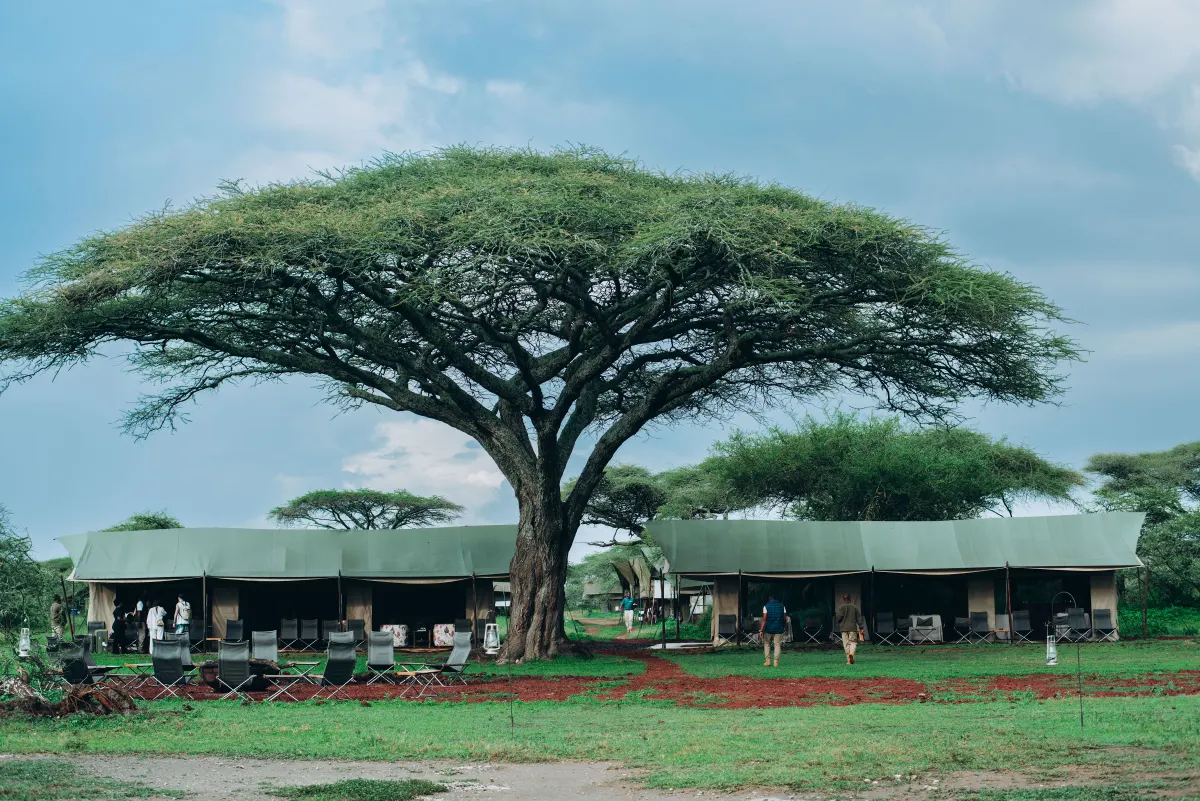
The view from your room, and cold nights. Mornings on the rim are chilly even in the dry season.
Warmer, set among farmland, and about 45 minutes further from the crater.
Small things that make the visit easier.
Yes. Around 25,000 large animals live inside the caldera, and it is the most reliable place in Tanzania to see black rhino.
Often. The crater floor is at about 1,700 metres and mornings and nights on the rim are cold. Bring a fleece.
Not on the crater floor. The day is by vehicle.
It is a smaller enclosed area, so animals are easier to find in a single day. The Serengeti is open plain and is where the migration moves.
Routes to start from. Each one can be changed.
The classic northern circuit at an unhurried pace. Two full nights in the Serengeti, so you are in the park at dawn rather than driving toward it.

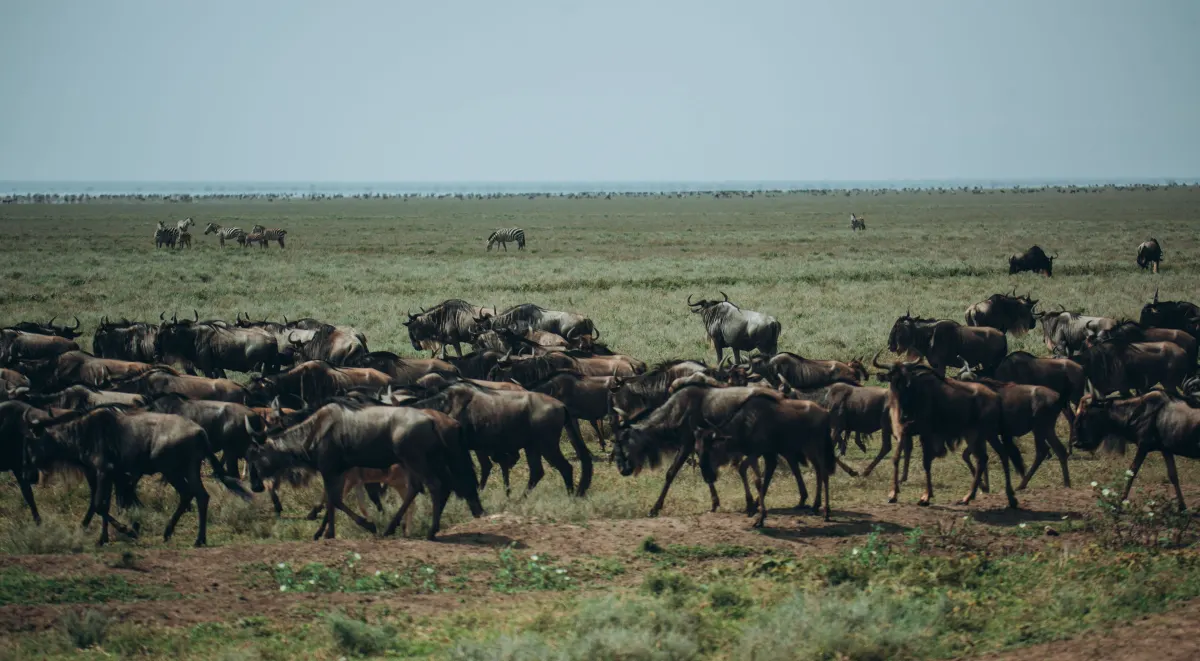
Built around where the herds actually are. Camps move with the season — the calving grounds in the south from January, the western corridor mid-year, the northern rivers from July.
Six days on the northern circuit, then a short flight to the coast. Safari first, beach second — in that order, because nobody wants to leave the ocean for a 5am game drive.
Tell us your dates and who is travelling. We will suggest how long to stay and what to combine it with.