

Game drives along the river
The Tarangire River is the focus in the dry season, with elephants coming down to drink through the day.
Baobab country along a river that draws the whole ecosystem in through the dry season.

Tarangire is roughly 2,850 square kilometres of dry woodland and baobab, two hours south-west of Arusha. In the dry season the Tarangire River is the only permanent water for a long way in any direction, and animals concentrate along it in numbers that rival the Serengeti.
Best months: Jun to Oct
What Tarangire is known for.
The highest elephant density in northern Tanzania between July and October
Enormous baobabs — the most photogenic landscape on the northern circuit
Tree-climbing lion and large buffalo herds
Far fewer vehicles than the Serengeti or the crater
Tap a photo to see it larger.
The main things people come for.
The Tarangire River is the focus in the dry season, with elephants coming down to drink through the day.
Tracks through baobab woodland, good for photography early and late in the day.
Excellent birdlife, especially in the green season from November to May.
Sightings depend on the season and on luck. Your guide will tell you where to look.
The best months for Tarangire, and what each season is like.
June to October is the peak, when the river concentrates game. November to May is green and much emptier of both animals and visitors, and the birding is excellent.
About 2 hours from Arusha
About 2 hours from Arusha. It is usually the first stop on a northern circuit, on the way out toward Manyara and the Serengeti.
Normal on a northern circuit.
Worth it in the dry season, to see the river in both the morning and the afternoon.
Almost always the first park on a northern circuit, on the drive out from Arusha. One full day is normal; two is worth it in the dry season.
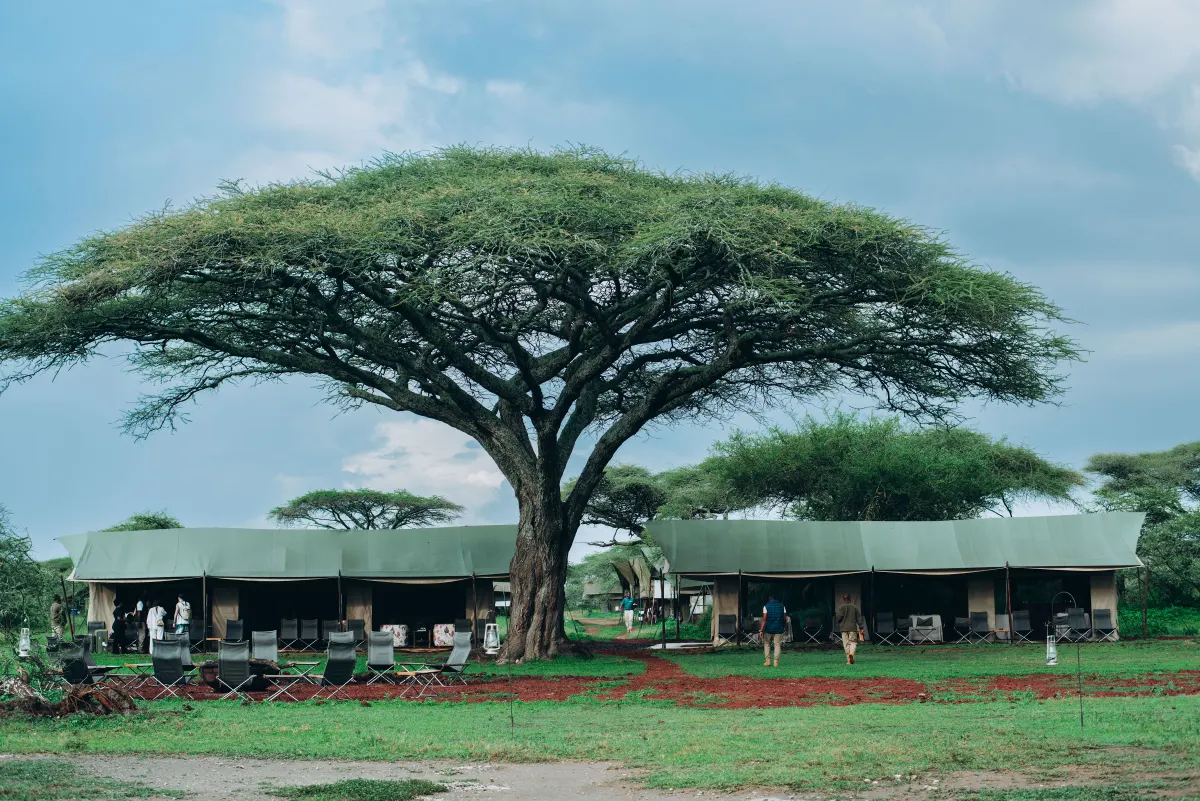
The kinds of places we use here. Named camps and lodges come with your itinerary draft.
Inside the park and just outside it, many with views over the river or the baobabs.
Small things that make the visit easier.
From about July to October, when the river is the only permanent water and the animals concentrate along it.
It is different. It has fewer vehicles and the highest elephant density in northern Tanzania in the dry season, but it is not where the migration moves.
About 2 hours by road.
In some areas, yes. Wear neutral colours and avoid dark blue and black.
Routes to start from. Each one can be changed.
The classic northern circuit at an unhurried pace. Two full nights in the Serengeti, so you are in the park at dawn rather than driving toward it.

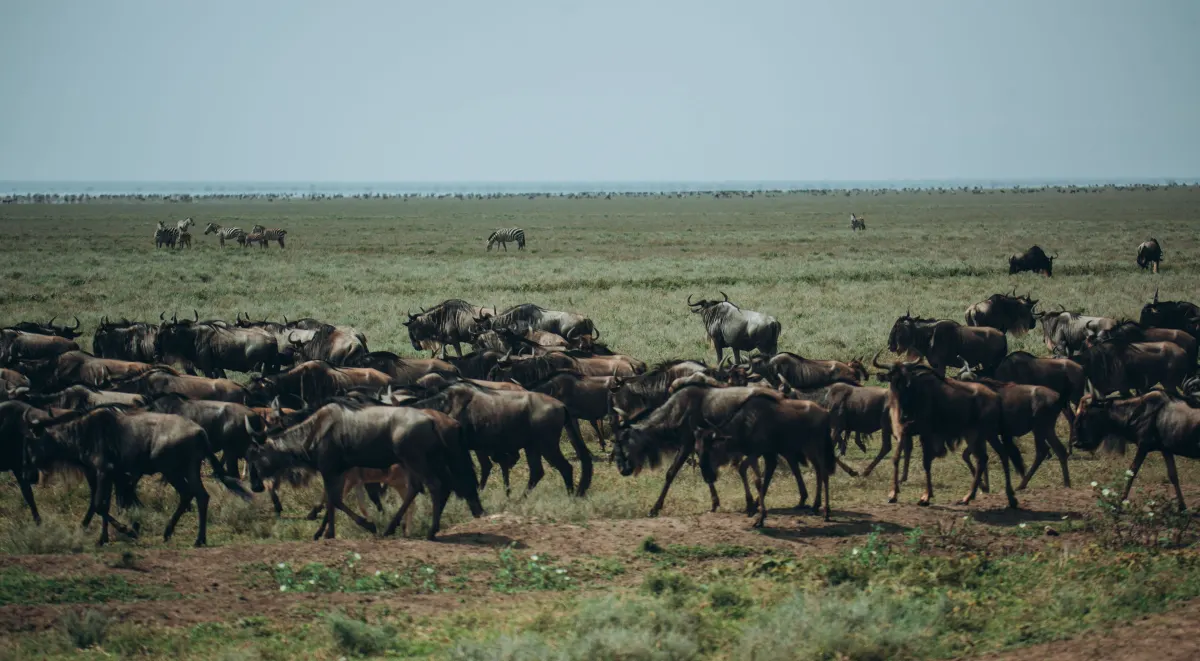
Built around where the herds actually are. Camps move with the season — the calving grounds in the south from January, the western corridor mid-year, the northern rivers from July.
Six days on the northern circuit, then a short flight to the coast. Safari first, beach second — in that order, because nobody wants to leave the ocean for a 5am game drive.
Tell us your dates and who is travelling. We will suggest how long to stay and what to combine it with.